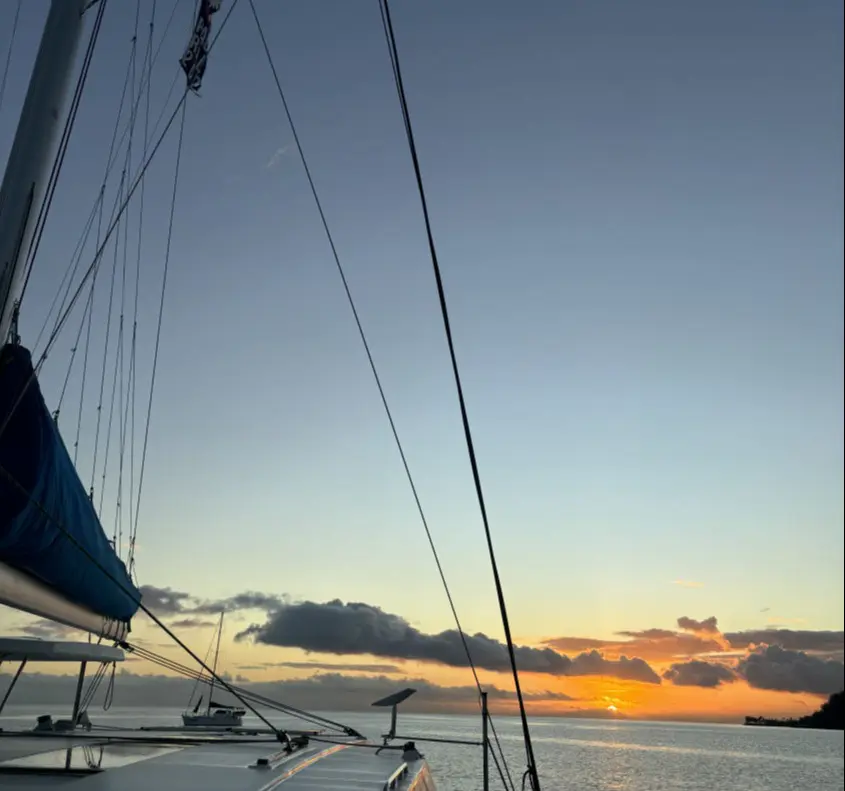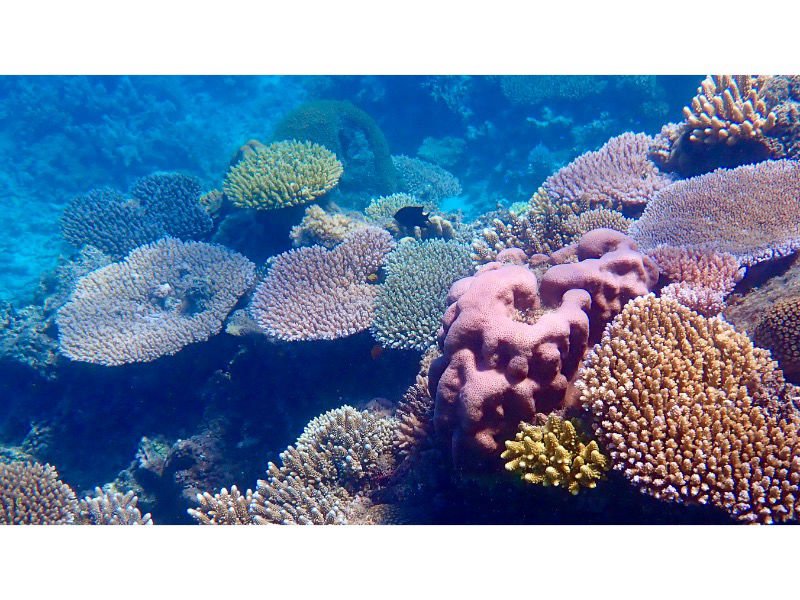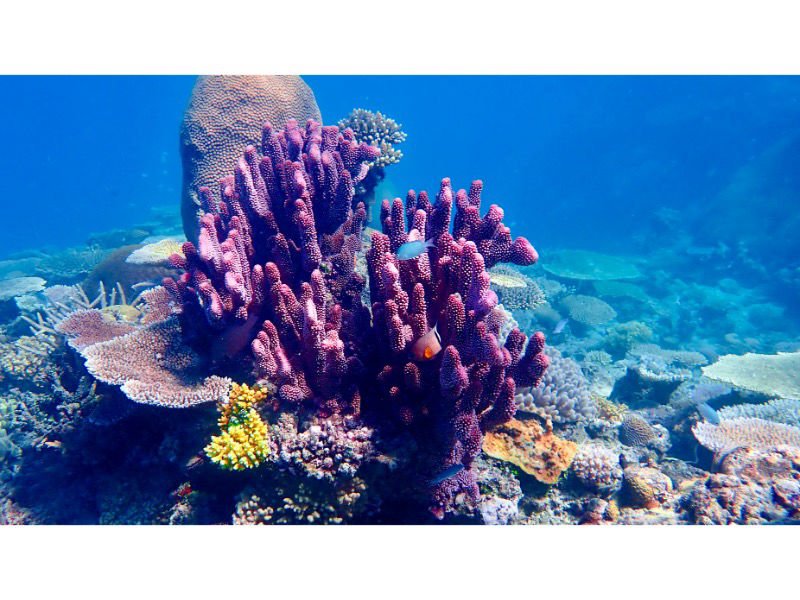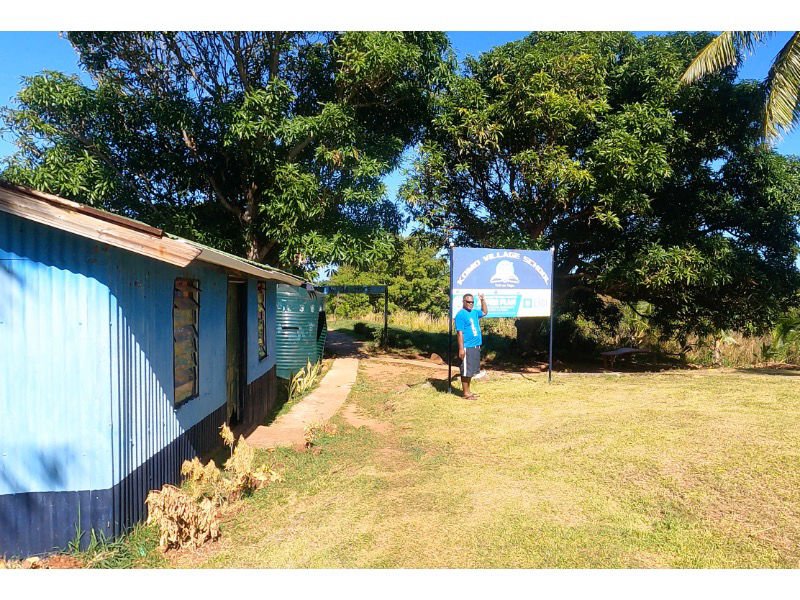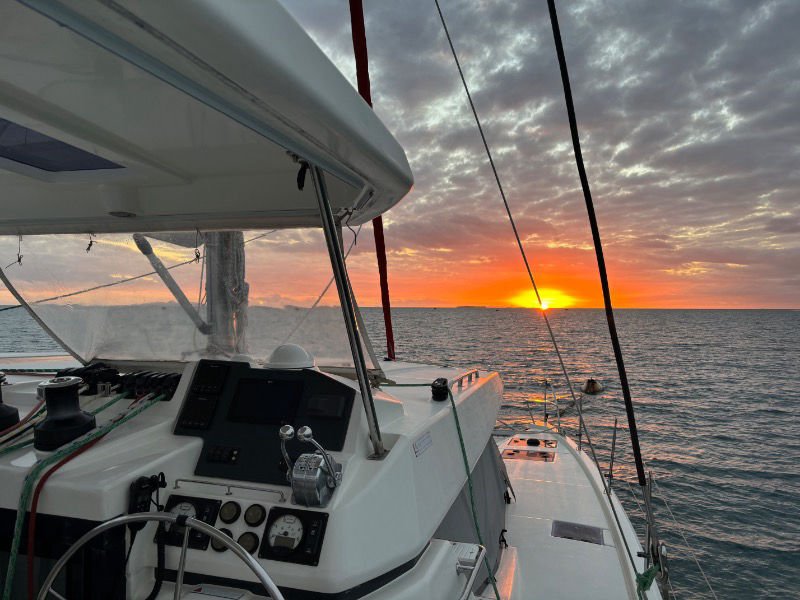
We had just 10 days to dash down the Lau Group islands before heading around to Nadi to pick up our wives arriving from Australia.
While at Komo Island, we had our dingy stolen and later relocated. This is where things started to go pear-shaped.
We made a quick stop at the Bay of Islands where we then noticed water in the starboard engine bay with the bilge pump running intermittently.
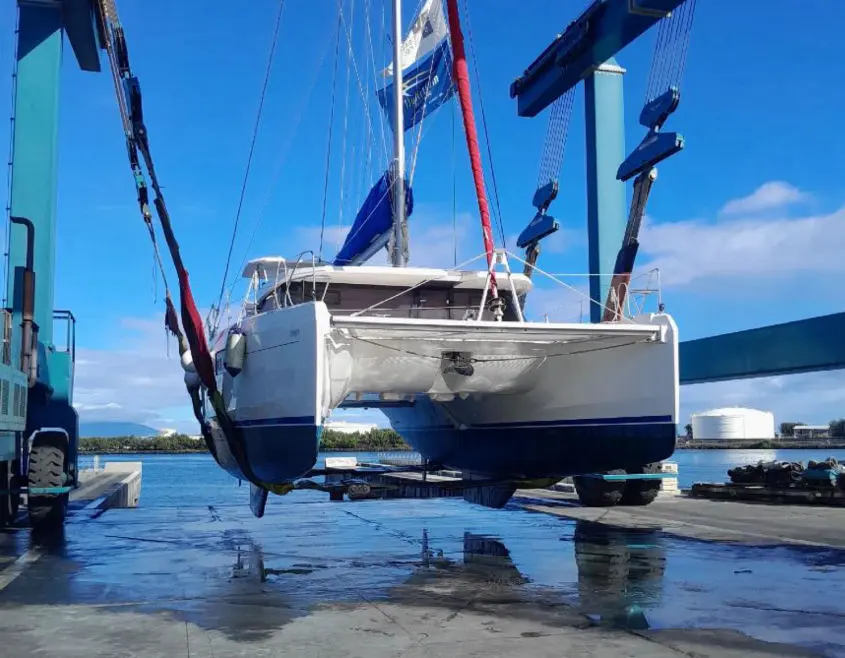
We had also sprung a leak around our rudder pole and chose to head back to Savusavu to restock before venturing around to Nadi to have the yacht hauled out.
We stayed on a mooring ball in Savusavu overnight, then gave ourselves a treat and used the pontoon out the front of Copra Shed.
This allowed us enough fresh water to clean the yacht from the last two months of cruising.
The yacht was shining by 11:00 and the kettle was boiling for the obligatory morning tea, when ‘knock…knock’ on the side of the hull.
We had only 10 days left to race down the Lau Group islands before heading to Nadi to collect our wives arriving from Australia.
Trouble began at Komo Island when our dinghy was stolen, only to be found later, marking the start of a series of setbacks.
After a brief stop at the Bay of Islands, we discovered water flooding the starboard engine bay, with the bilge pump cycling on and off intermittently.
At the same time, a leak had developed around the rudder pole, forcing us to change plans and return to Savusavu to restock before sailing to Nadi for a haul-out and repairs.
We spent the night on a mooring ball in Savusavu before treating ourselves to a berth alongside the pontoon outside the Copra Shed.
The stop gave us access to enough fresh water to wash down the yacht after two months of cruising.
By 11am, the yacht was gleaming and the kettle was on for the mandatory morning tea when a sudden “knock… knock” echoed against the hull.
Fiji Authorities: As Fiji's authorities battle a major drug crisis, the government has announced a reset of its police force. The changes backed by Australia are aimed at rooting out corruption and restoring integrity in Fiji's law enforcement. (ABC Pacific - Fiji announces reset of the police force - Mon 10 Jun 2024 at 8:00 am).
Medication Opening Followup (Sep 2024): We contacted the prescribing practitioner who advised us to write on the packets that the Contents opened Fijian customs, then date and notate on the prescription copy with the practitioners contact detail should anyone have future queries.
Vuda Marina Followup (Sep 2024): Vuda Marina have made contact and provided satisfactory written non-remunerative resolve to the challenges we had, which is all we can ask for.
Dingy Theft (Sep 2024): Still no reply from Fijian Police.
Publications:
> South Pacific WhatApp cruising groups,
> Navionics (Garmin) charting platform,
> Cruising Apps, and
> Cruising Publications.
'Please feel free to share this link with a wider audience' - James.
We also recognise that our approach during the search may not align with how others would have handled the situation, and that it could have easily escalated had we chosen to “stand our ground.”
The Fijian officials we interacted with were, in our experience, courteous and generally communicative, explaining their actions in what appeared to be an open and engaging manner.
However, the overall experience has left a soured impression, particularly among international yachts who spend significant amounts in-country (approximately F$14,000 in our case, excluding accommodation).
These experiences are now being shared within cruising communities and with prospective sailors, which risks affecting perceptions of Fiji as a destination.
This is especially concerning for the smaller island communities who rely on visiting yachts for income and support, including places such as Komo Island and others throughout the remote area of the Lau Group in eastern Fiji.
We have also discussed our experience with two island Chiefs, some of whom expressed genuine shock at what we described. A chief from the Yasawa Group, in particular, was visibly angered upon hearing our account as they rely on tourism.
Since departing Savusavu, we have been unable to account for CFP100,000 that was stored in our safe and which was fully accessible to those conducting the onboard inspection.
During the process, both crew members were separated at different times, meaning neither of us was able to maintain full visibility over the table where the cash had been placed as instructed.
A passing comment from a person in authority, stating that “if anything is missing, come and see me”, has only added to our concerns.
With Police also present during the inspection, we feel any follow-up report would be unlikely to lead to meaningful action.
This follows a separate incident at Komo Island in the Lau Group, where our dinghy was taken and no response was received from Police after reporting it.
We also experienced vessel damage issues at Vuda Marina, which further contributed to our concerns..
Overall, as international cruisers, our experience in Fiji has not been positive.
On a lighter note, about half an hour later we noticed Customs officers debriefing on the grass within the Copra Shed gardens (near the yacht). At that moment, my First Mate walked past carrying another two cartons of beer, and the expressions on their faces were priceless.
Later, while speaking with other cruising yachts at the bar, we learned that this kind of inspection is fairly routine. Searches are conducted at random, sometimes immediately on arrival, sometimes a few days later, and in our case, nearly ten days after entry.
While we fully support and respect their proactive enforcement approach, the level of scrutiny applied during our inspection felt particularly extensive and, under different circumstances, could easily have escalated with the wrong individuals.
It appears that some of the initial assumptions and hunches guiding the search may have been misplaced, as they ultimately chose a vessel that did not match those presumptions.
We are fond of the quieter amber and red varieties. Our wine stocks had been checked against the entry paperwork we submitted 10 days earlier on arrival in Fiji. Since then, we had also made additional purchases in Savusavu, which were separate from the declared entry amounts.
We were therefore surprised when we were told, quite firmly, that there was “a problem.”
“And what’s the problem?” James asked.
“This exceeds the legal entry limits,” the officer replied.
We calmly explained that the additional wine had been purchased after our arrival in Fiji. He paused briefly, considering the response.
Then another officer asked, “Do you have a receipt?”
Most of the smaller shops and markets do not supply receipts. Fortunately, James had made this particular purchase using his Visa card. We normally prefer to pay cash for most transactions, but on this occasion (thank heavens), the electronic record proved useful.
Two officers reviewed the transaction on his account, and the tension in the moment noticeably eased.
Without that proof of purchase, it is likely the wine could have been confiscated, and penalties imposed, or both.
By the way, Sea Lovers Wines and Spirits (Savusavu), is a must stop if you like wines and spirits, great shop.
As a pilot, James had flown to Fiji on many occasions, as well as operating flights into New Zealand, Indonesia, the Solomon Islands, Vanuatu, Papua New Guinea and the United States over a 20-year aviation career.
Both of us, as former aviation professionals, had direct experience with the complexities of national borders, including security procedures and enforcement practices.
It was interesting to observe how differently people are treated and regarded depending on factors such as holding an ASIC card, wearing a uniform cap, and displaying rank stripes on their shoulders.
Also present during the boarding were two Indonesian Customs officers, who remained quietly observant throughout the inspection.
James engaged them in conversation as well, reflecting on his regular pilot duties that previously took him to Indonesia twice a month over an eight-year period. He spoke positively about Indonesia as a country, noting the warmth and kindness of its people, much like Fiji.
We were asked why we kept a sail in our saloon. It is a AUD30,000 new parasail. Those who know parasails, they are particular about how they are hoisted, packed and stowed. Any breath of wind and away it blows/goes. We kept ours inside as it did not fit the external lockers and needed to keep it dry.
They asked us to take it outside, in the breeze and unwrap it on the front deck.
We said no to that, as this was stretching the courtesy we offered, too far. Following this, they then made a beeline to the sail bag and spent the next 10 minutes feeling every crack and corner.
“How many times have you been to Fiji?” James was then asked.
“Five,” he said, assuming she meant for holidays.
“FIVE…that’s a lot”, never asking when or why.
In fact it was more times than that. As an airline employee, we came here on a regular basis.
They also had a tribe of ‘observers in-training' we were told and always asked if we minded them following their leaders through the process. I didn’t have an issue with this at all, as long as they removed their shoes and treated the yacht with respect, which they did.
The legal issue here was the amount of people on the yacht. We only carry 12 life jackets and there certainly appeared to be more than that on board on two occasions.
It’s a difficult scenario. Do you restrict entry to an Authority, making matters worse, or do you hope the Australian law (on an Australian registered vessel) works in your favour in a foreign country when/if things go pair-shaped? Would your Insurer cancel your insurance for non-compliance?
After the vessels crew were separated, we quietly sat and made loose talk about rugby, Fiji having just got a silver in the Olympics.
Although there is no legal requirement for a small privately registered Australian vessel to carry a ship’s logbook, we were surprised when officers asked to inspect ours, which we voluntarily maintain for insurance and offshore cruising records.
During the inspection, several pages of the logbook were photographed, apparently to compare details against information previously submitted in port documentation, although no explanation was given.
Officers also questioned why some entries did not include latitude and longitude coordinates. We explained that the relevant port names had been recorded instead, as the logbook is primarily kept to support our sailing experience history for insurance purposes and associated policy benefits.
The search lasted more than an hour and was extremely thorough. Officers inspected drawers, sail bags, the fridge and freezers, shoes, clothing and storage compartments throughout the yacht. Cushions were unzipped and checked, while personal belongings were carefully examined.
Although not everything was returned exactly as it had been before the search, the officers did make an effort to place items back where they belonged.
Because the yacht had previously operated in charter and was equipped with bedding and towels for up to nine people, officers also questioned why there were so many bags of linen onboard. After an explanation, they appeared satisfied with the response.
Our Cat 1 Medical Kit prescription packets are in the safe (as stated on the Fiji entry documentation). They went about opening the sealed packets to check packet contents without either of us being present. We were told, they also carefully read the prescription labels.
This now presents a major problem at our next international port, where we will be asked why the seals to the packets of prescribed medications have been opened with no notation in the record sheets by the person opening the packets. We didn’t see them opening the packets, but some were all open after their departure.
The three rotations of teams systematically entered and departed. EVERY area that could be opened, was opened and very well searched with gloves and lights. In the areas they couldn’t open, they asked for help to open them. We were also asked for a document showing vessel access ports, never even knew that existed.
The only document we had, came with the yacht from Leopard Catamarans. They then ventured outside and asked for assistance with all lockers outside where the same rigorous process took place.
“You declared FJ$3,500 and CFP100,000. Is there any additional cash onboard?” the officers asked.
“I’ve got some Australian dollars in my wallet, but that’s all,” James replied.
“Could you please bring all the money out and place it on the table?”
“Sure,” he said, gathering the cash and laying it out as requested.
The officers then asked whether there were any firearms, ammunition or drugs onboard.
“Yes — only what was listed on our entry documentation, and that’s secured in the safe,” James explained.
The declared “drugs” were Schedule 8 medications carried legally as part of the yacht’s extended-range Category 1 Offshore Medical Kit under Australian regulations.
“We are going to bring a sniffer dog onboard. Is that OK?” the officers asked before calling the dog onto the yacht.
Wearing protective booties, the sniffer dog moved throughout the vessel, across tables, chairs and beds conducting a thorough inspection.
The officers then requested access to the yacht’s safe, which was provided. They proceeded to systematically empty the contents and inspect every item inside.
“Bula, we are from Fiji Customs, Immigration and Police and we would like permission to board your yacht. We are looking for the captain,” the officers said.
“That’s me, James. How can I help?” he replied.
“We are conducting random inspections of yachts. We have your Fiji entry paperwork and would like to come aboard, please.”
“Sure” James responded, visibly surprised.
"We already checked in 10 days ago and have our cruising permit you gave us" he said.
Around 30 neatly presented officials and two sniffer dogs stood waiting on the pontoon as the boarding team prepared to inspect the vessel.
The officers were polite and respectful, removing their shoes before stepping onboard, a sharp contrast to a previous experience in another country where muddy boots left lasting red mud marks throughout the yacht. Weeks later, the stains were still visible.