AUTOPILOTS, ANCHORS, FATIGUE: SINGLE-HANDED TOOLBOXadditions

AUTOPILOTS

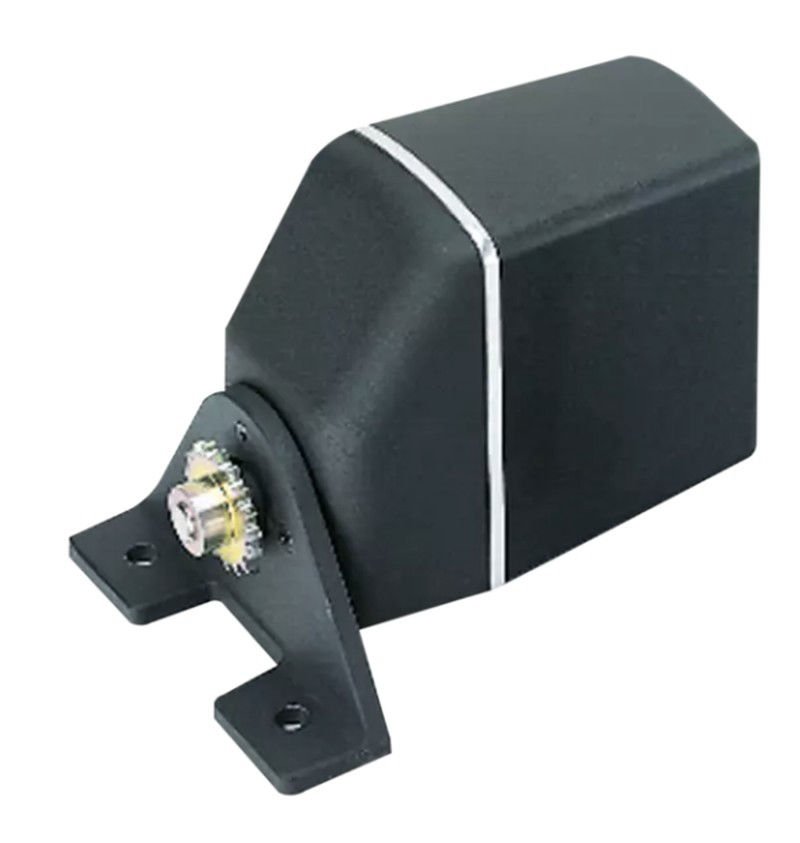
Raymarine Autopilot

On a large vessel, many are under the false illusion that steering manually is the backup to an autopilot failure. While this may be true for an hour or so, it is extremely difficult on passage, especially at night.

When sailing single-handed, your primary autopilot is your best friend. This assumes not only that you have an autopilot, but also that you have a readily accessible backup that can be quickly connected if the primary unit fails.

We had planned for redundancy, we had:
3. Spare Raymarine Rotary Drive – Type 2 unit, and

In theory, this was a win-win situation, so we thought. If you lose your autopilot electrically, put the hydrovane into action. Or, if you lose your autopilot mechanically, change over the Drive unit.

Our first-hand experience with autopilot failure occurred on a two-person sail from Tonga to Fiji, and proved our theory incorrect. During this four-day trip, the autopilot failed on day two.

The quartering wind was in a sailing sweet spot. The main had its second reef, and the genoa had one turn, and the yacht rode the 13-second swell well balanced.

The autopilot, on the other hand, was unable to hold course due to the combination of boat and wind speeds, 'skipping internally' whenever our speed exceeded 8.5 knots, and the wind exceeded 25 knots.

Due to the Hydrovane position and the pitching in 3–4 m seas at the time (and at night), we had to resort to manual steering.

Switching rotary drive units in these conditions was unsafe, as accessing the rotary drive required a ladder climb into the cramped internal helm space.

Additionally, removing the rotary drive would temporarily leave the vessel without steering during the changeover. The whole procedure would take 10 minutes if you knew what you were doing and had good light in still seas.

As a last resort, you could heave-to, deploy one of our two drogues, and work on the changeover.

As seas were expected to deteriorate further with shorter wavelengths, the decision to continue was made.

We managed to hand-steer with the rotary drive autopilot on, physically overriding the engaged unit when boat speed exceeded 8-9kts and during wind gusts. Watch rotations were reduced to minimise fatigue as we headed toward the nearest safe anchorage—Fiji. 

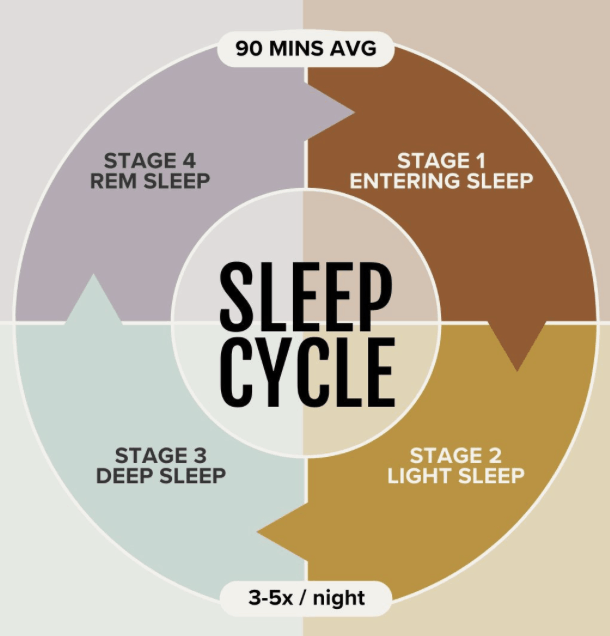
Having very high confidence in your fellow crewmember is crucial. It allows you to achieve deep “stage 3 sleep" during your off-watch, which we discuss later.

If this trusted crewmember happens to be your autopilot, and it fails, you certainly will have your work cutout.

The safety risks of single-handed sailing increase very sharply. Stress levels rise, and your mental processes begin to deteriorate rapidly. Hand steering while simultaneously digging through spares to repair or reconnect a secondary system would simply be impossible and unsafe.

Our Autopilot lesson and resolution:
We replaced the 'skipping' Raymarine Rotary Drive unit with the spare unit. During the test sails around Fiji, the new Raymarine Rotary Drive showed limited improvement in 'skipping'.

So, we were back to square one.

PRIMARY AUTOPILOT:
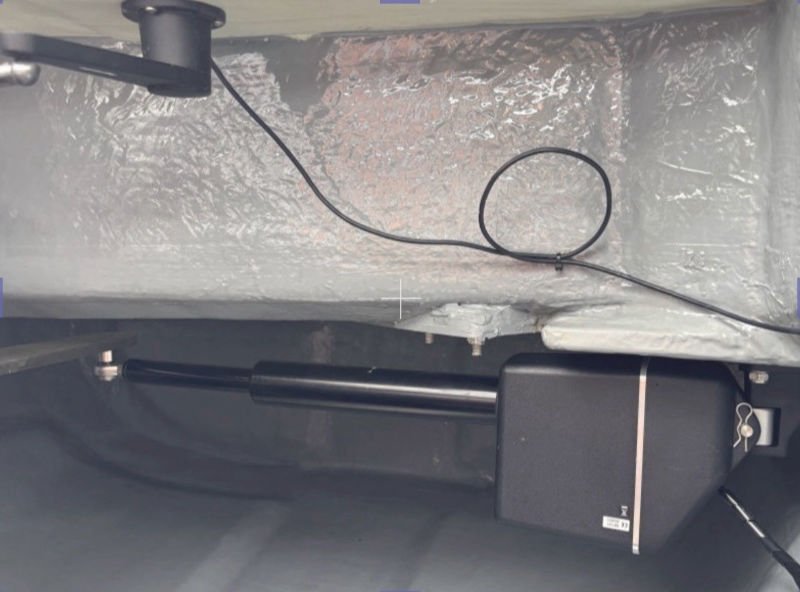
We have since removed the Hydrovane and replaced it with a Raymarine Mechanical Linear Drive - Type 2. This has become our new PRIMARY AUTOPILOT.

This new primary autopilot is positioned aft of the starboard rudder pole in the engine bay (as shown in the picture). This unit was deliberately connected mechanically via an arm directly to the rudder shaft.

This now also provides redundancy in the event of steering cable failure (i.e. you can still manoeuvre the vessel with the loss of steering cables using the autopilot).

Should this Mechanical Linear Drive fail, there are no spare parts carried; revert to the secondary autopilot.

SECONDARY AUTOPILOT:
The original autopilot (in the turret at the back of the steering) is now our SECONDARY AUTOPILOT, despite its internal 'skipping' problems. 

Should this rotary drive fail, we still carry a spare rotary drive unit or revert to the primary autopilot.

SWITCHING:
Both autopilot power sources are independent, providing redundancy in power-source failure.

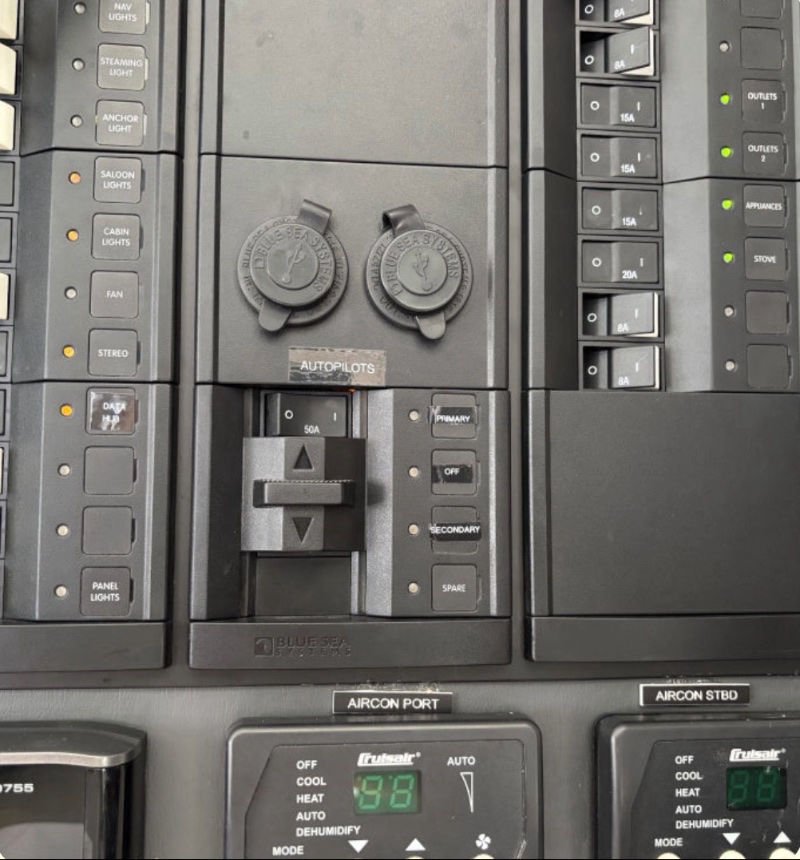
These power sources culminate at the main electrical panel at a single 3-position transfer switch: 
1. PRIMARY - Primary Autopilot power source,
2. OFF - (isolates both power sources),
3. SECONDARY - Secondary Autopilot power source.

Autopilot switches


During high-stress situations, switching to the other autopilot takes 3 seconds.


AUTOPILOT SWITCHING NOTES:
1. Both autopilots cannot be powered at the same time.

"Have we covered all autopilot failure contingencies here, such as loss of electrical power, lightning, etc.?" No.

But we have certainly made our autopilots safer and simpler to change, adding to the single-handed sailing toolkit.


ANCHORS

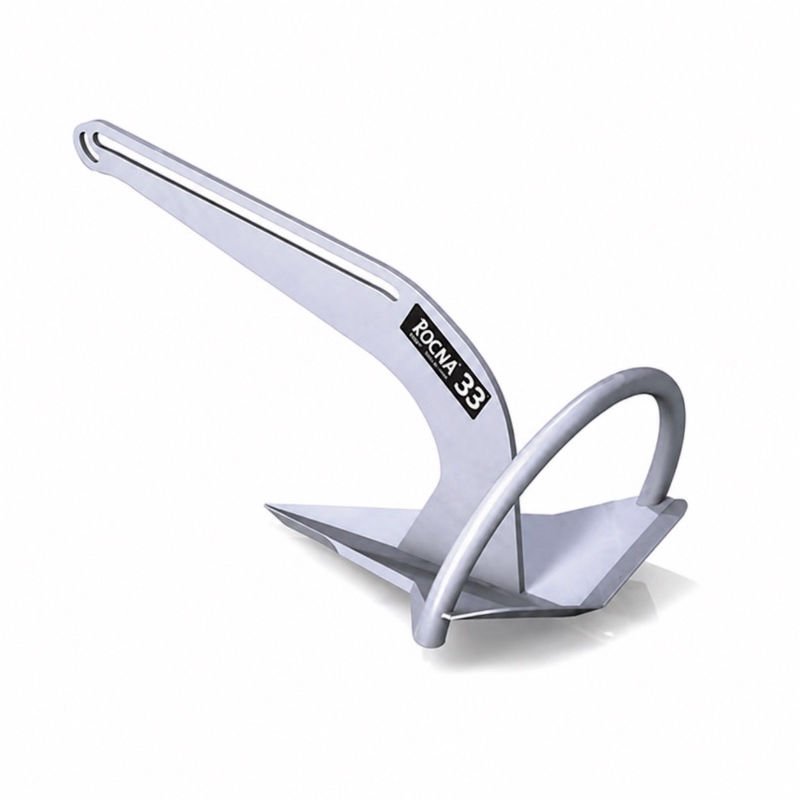
Rocna Anchor

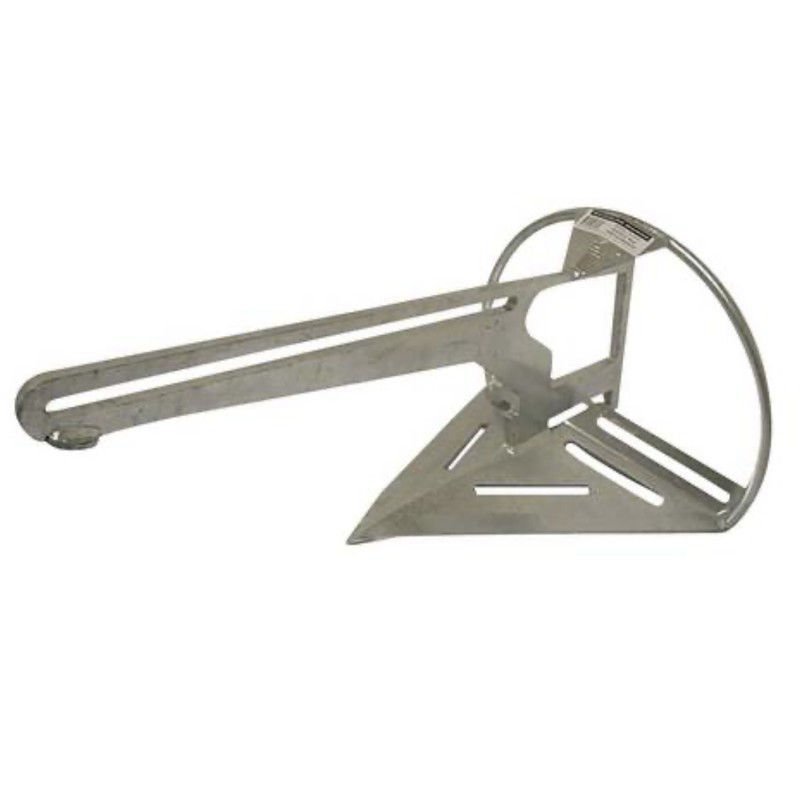
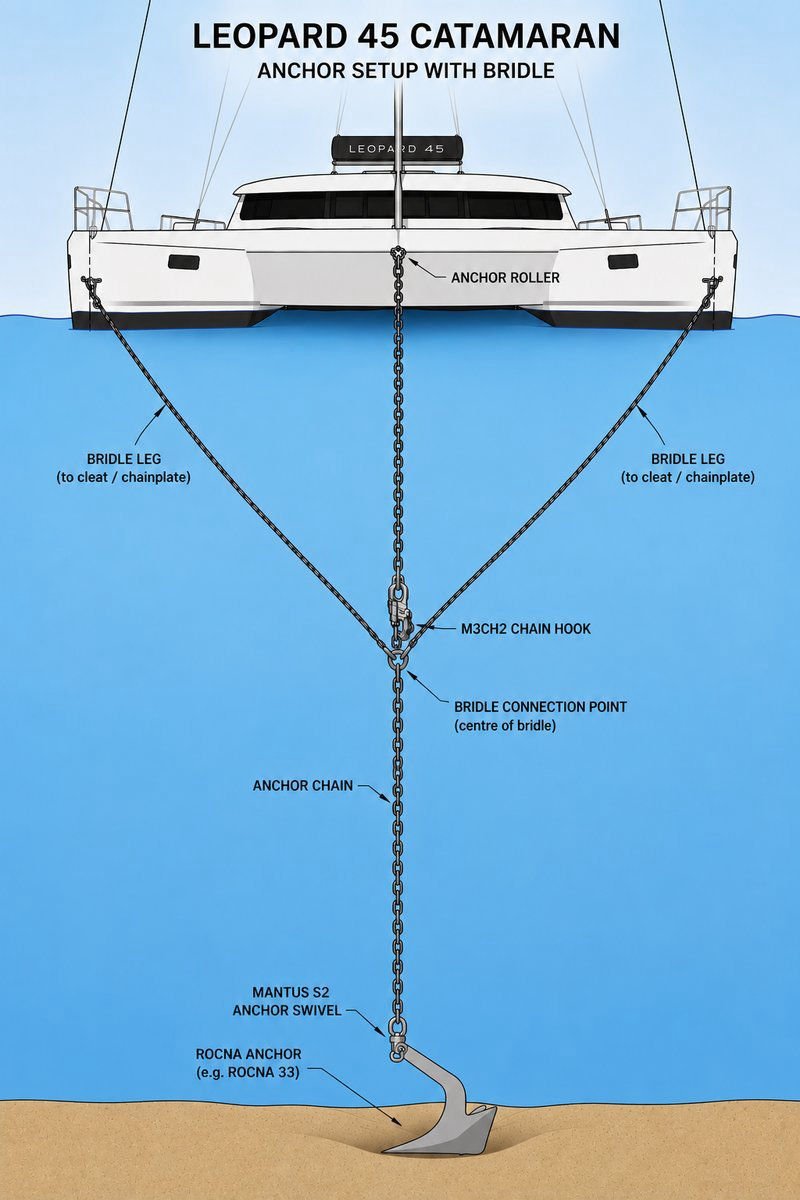
Our primary anchor is a Rocna Original 33. It is connected to a Mantus Anchor Swivel, then to the chain (read our review of the Mantus Swivel here).

A secondary anchor is a stowed Lewmar Delta 25kg. This is connected to a Kong Anchor Connector, then to 5 metres of chain.

We have experience of losing our primary anchor whilst on passage. This embarrassing mishap was only recognised when it came time to set anchor after a long passage.

We have also had friends part ways with an anchor wedged 30 metres down.

In both cases, second anchors were available. Otherwise, cruising would certainly come to an abrupt halt.

Our Anchor lesson and resolution: We have an emergency grab bag containing an angle grinder, diamond cutting blades, leather gloves, large pliers, tie wire, and, importantly, CHAIN LINKS and D-SHACKLES.

This grab bag is also used for re-attaching anchors (in the event of a fouled anchor) and cutting stays (in the event of a stay or mast failure).

Our secondary anchor is stowed securely toward the fore of the vessel. It has its own swivel and a length of chain connected, and can be easily worked on our foredeck area. This also requires limited muscle to deploy.

On a side note, we carry a spare windlass solenoid, too. I have seen people requesting a solenoid three times now. With their anchors and chains out, now having to be physically retrieved.


MIND GAMES

Sleep Cycle

Health and fatigue are the personal challenges facing a single-handed sailor. Understanding fatigue and knowing your limits in sleep (in particular Stage 3), food, and hydration are key.

While many will show disregard for this topic, it's not until a challenge occurs and upon self-reflection, you realise that the finger only points straight back at yourself.

Additionally, your Insurance may not permit single-handed sailing unless this can be substantiated with proof of training and experience.

Our Fatigue lesson and resolution: In our case, single-handed trips are limited to 48 hours. Multiple fatigue courses have been completed, and we are acutely aware of a person's body clock and what effect this has on fatigue.

Other Single-handed thoughts:
With the above challenges in hand, the tackling of single-handed sailing can start.

All lines should lead to the helm.

It goes without saying that outside the helm (if you have a secure helm area), or at night, you should always have a life jacket on.

We personally do not venture onto the deck whilst underway unless it is an emergency. In this case, a double-ended tether is used to connect to the vessel's external safety line.

If you found this information helpful, please forward this link to like-minded sailors. James