Offshore Cruising Resources

Offshore Cruising Preparation Hub | Planning & Safety
Offshore Cruising Preparation

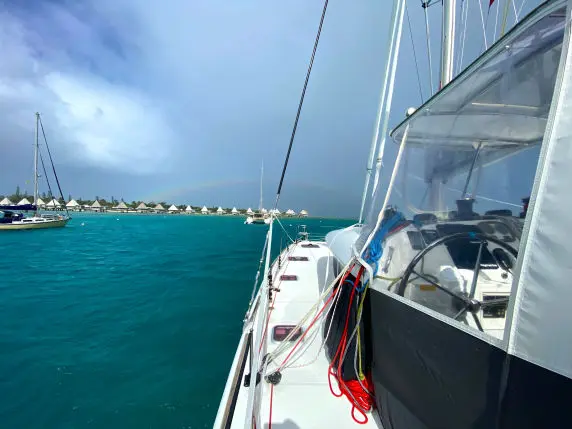
Isle de Maitre New Caledonia

Safe, enjoyable passages depend on three foundations: thorough offshore preparation, realistic passage planning, and choosing the right crew.

Two years before leaving Australia again, we committed to a structured plan to remodel our Leopard 45 (the Lagoon L400 took three years). The result: two self-sufficient, long-distance, remote-cruising catamarans built for the South Pacific and beyond.

Spreading the work over several years kept costs manageable and gave us time to test every upgrade before trusting it remotely.  As departure approached, our focus shifted to maintenance packs, critical spares, repair kits and systems we could service in remote anchorages.

Add to your 'ideas toolbox'. Explore our first-hand experience, see exactly what we changed and why, then decide what might work for your own offshore cruising plans.

Then comes the question every offshore cruiser eventually faces: how many spares are enough? Finding the right balance between preparation, weight and storage remains one of the hardest decisions in offshore sailing.

Other Vessel Preparation Considerations

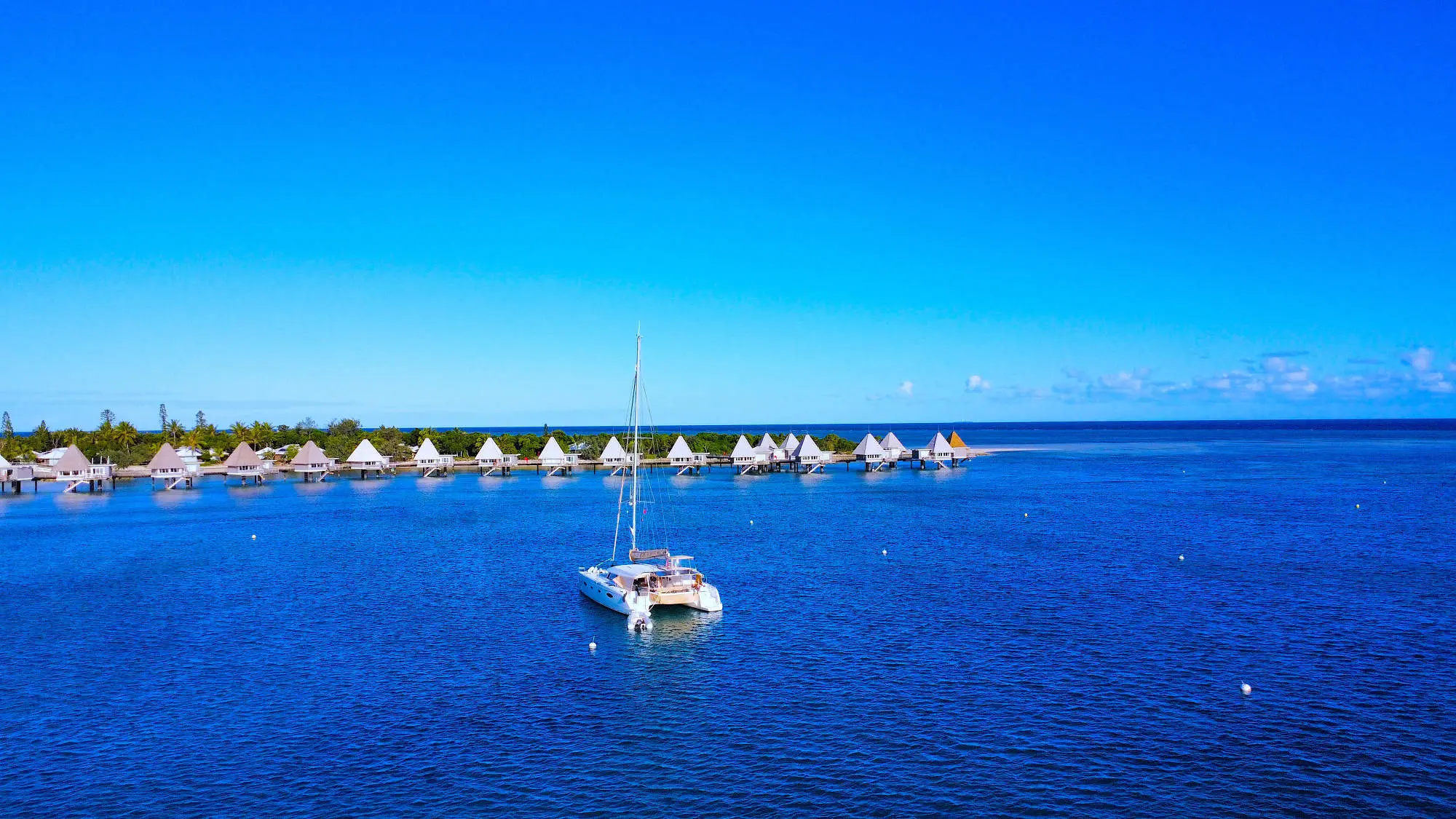
Isle de Maitre New Caledonia

This topic hub covers the practical systems and planning that support safe, self-sufficient cruising in remote areas.

Explore detailed guides on provisioning, including water management, food storage and alcohol planning for extended passages. Learn how to prepare for onboard medical emergencies with offshore first aid, emergency response procedures and crew incapacitation planning.

Understand which vessel and crew documents are essential before clearing international borders, and how to organise them for quick access. Discover practical weather routing strategies, navigation redundancy and offshore communication systems that improve safety when sailing beyond mobile coverage.

The information is based on real offshore cruising experience and links to articles that help you reduce risk, solve problems independently and prepare your yacht and crew for extended offshore passages.

🛒 Provisioning

Water, Food Storage, Alcohol 

🛟 Emergency Planning

Medical, First Aid, Incapacitation

📁 Documents

Vessel and Crew Documents

🌦️ Weather Routing

Weather, Navigation Redundancy and Offshore Communications

Frequently Asked  Questions - Rigging and buying catamarans under USD 300,000

Go in with your eyes wide open, or get caught by insurers when making a claim.

Excessive leeward cable sway, mast foot point loading, mast foot grey stains, swage hairline cracks, stiff running rigging, internal cracked mast stems, and cable-end nesting. If you are unfamiliar with any of these, do yourself a huge favour and get a professional rigger.

For blue-water cruising, simple rigging systems with readily replaceable components can make repairs and maintenance considerably easier offshore. Composite material components such as Dyneema and stiff running rigging present remote challenges at the wrong times.

Being proactive during planning and embracing surveys (forget the cost) is extremely important.

This podcast (or video) from MULTIHULL CENTRAL, and Joel Berg from ALL YACHT SPARS gives insight into what riggers do.

Their message is straightforward: simplicity matters when you have to maintain and repair your rig offshore.

A detailed look at mast component problems, in particular in the Med, Andy Postle from ALLSPARS in England gives a thorough insight into the challenges faced with mast rigging components, replacement parts and cheap imports. An eye-opener of what goes on behind the scenes.

Are you still looking for a catamaran? Dispel the myth that catamarans are too expensive.

Although this video is a few years old, two professionals share their honest opinions on high-quality vessels in the offshore cruising category within this price range.

There are even more of these catamarans on the market now.

Where: Coral Sea, with winds at 20 knots, swell around 1 meter/short. These were the conditions for a short early morning climb to the first spreader to untangle a mainsail halyard that had knotted itself around a deck light and radome.

Wearing a helmet did little to prevent a 5 cm cut to the forehead, and rubber-soled shoes did little to protect against a gash on the leg. Resultant bruising from the swaying yacht and hitting the mast was obvious.

Thinking you can hold onto a swaying mast covered in light sea spray is definitely dangerous.

The lesson: Delay mast climbs until flat seas.

© Copyright 2009 - diycatamaran.com - All Rights Reserved